Asemic Writing
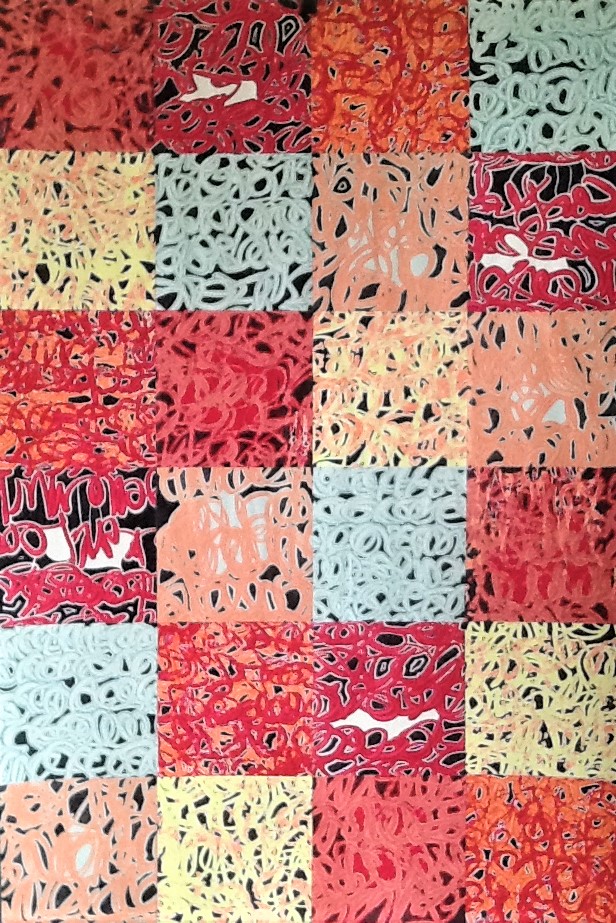
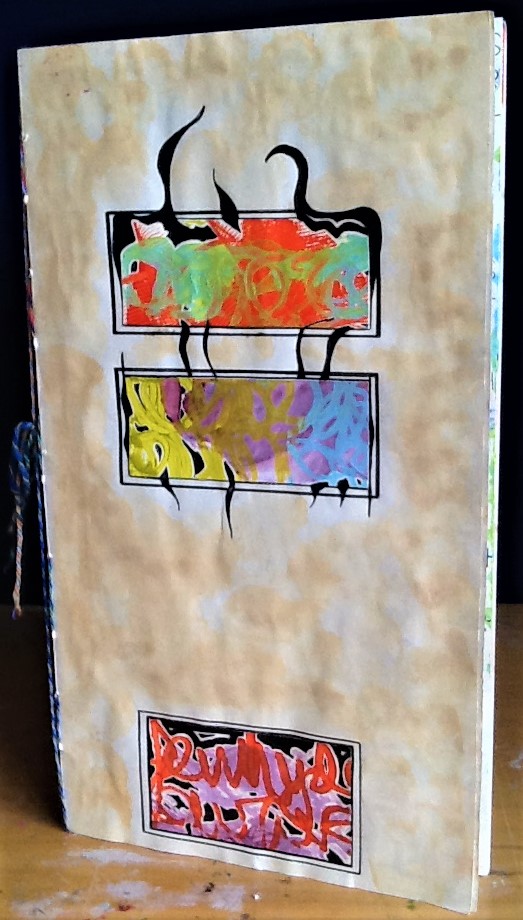
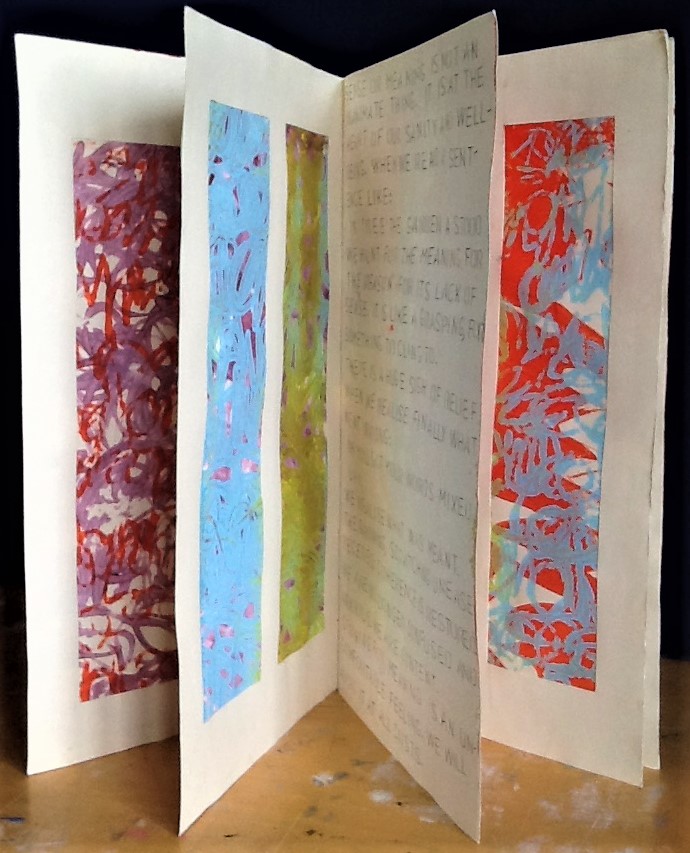
Writing has a visual aspect, aside from its role in relaying meaning, which is about how it looks, rather than how it reads. Asemic writing is text as image, an abstraction of conventional writing. Having no semantic content, it highlights the fact that meaning is arbitrary, and that language systems rely on cultural practices and non-linguistic behaviours to function. They have no fixed basis in the real world, but “float free”, unhinged from the objects and ideas they represent.
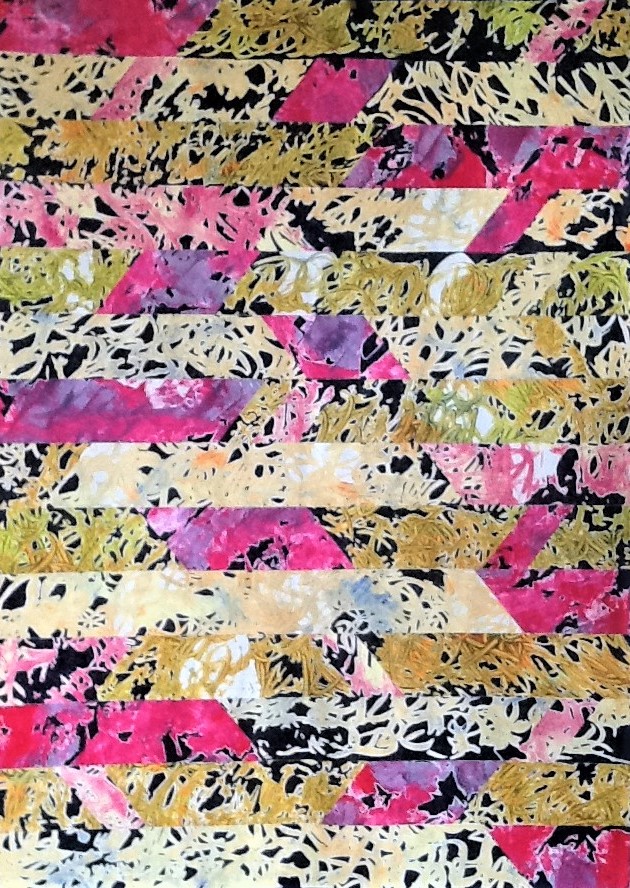
There is a strong physical presence in handwriting, the residual trace of a bodily gesture and a mental act that leads and guides the hand. As we become more and more reliant on digital media, the act of holding a pen is becoming more and more remote. Typing is quite a different motor skill; it involves tapping not stroking and the units are solitary, isolated from each other. Forming letters and words with their curves and flicks in a body of text speaks of unity, identity and a timeless art of expression.
A line – any line inscribed on a sheet of paper – is a denial of the importance of the body and its flesh, the body and its humors. The line gives access neither to skin nor to membrane laden with mucous.” Roland Barthes (1976)
Imaging the page
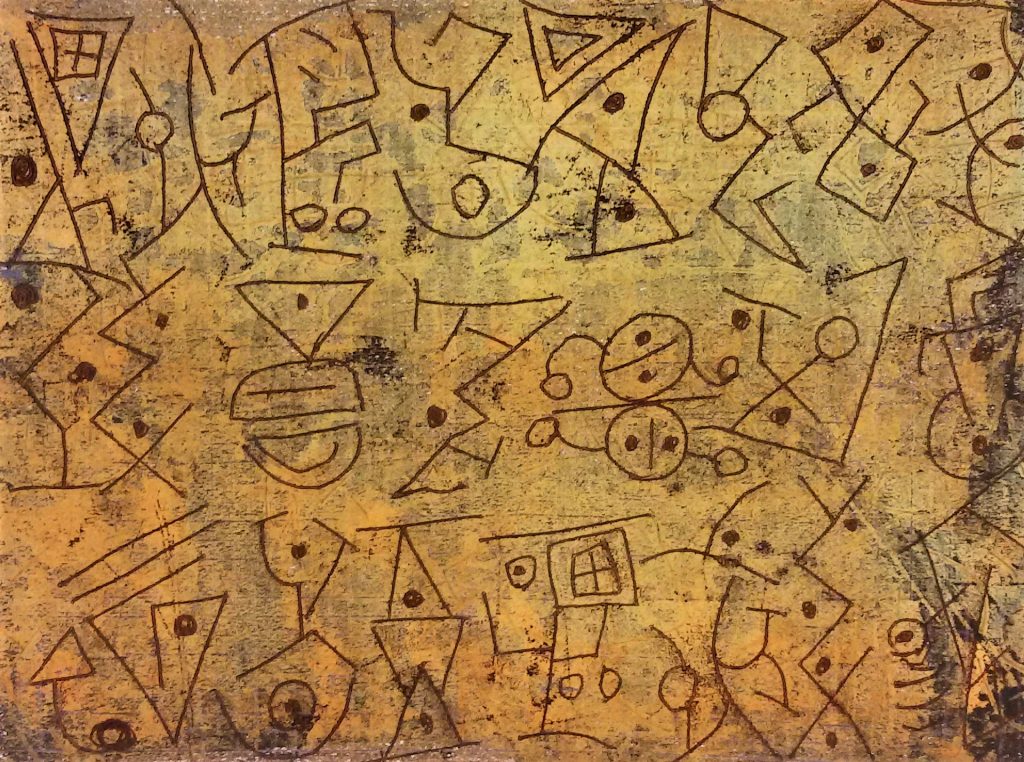
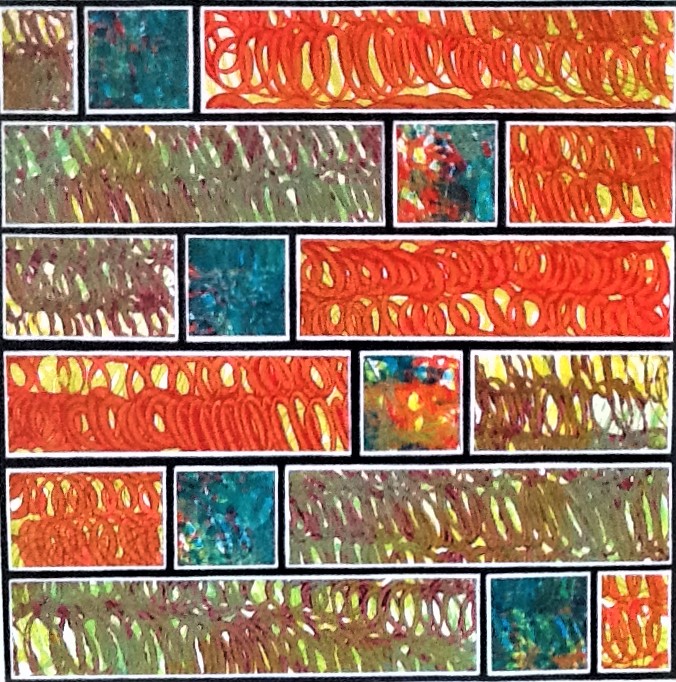
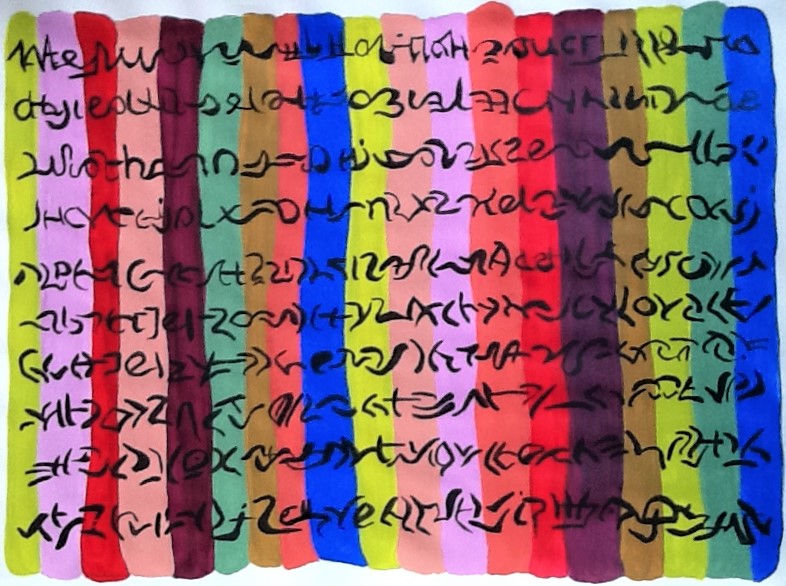
The way we read on close examination is linear, from the top of the page down to the bottom, from the left side across to the right side and then back again, like a Z. This function and the geometric properties of the page and its characters can be captured in a visual image, where the text has been replaced by asemic writing.
This method of reading, of assimilating information through the medium of the book has a profound influence on our notions of knowledge, intelligence and value. It came to the fore during the Enlightenment and heralded the scientific revolution as ideas could be recorded and shared over space and time. But our methods of learning are changing in the digital age and the future of the book is in doubt.