Grid construction
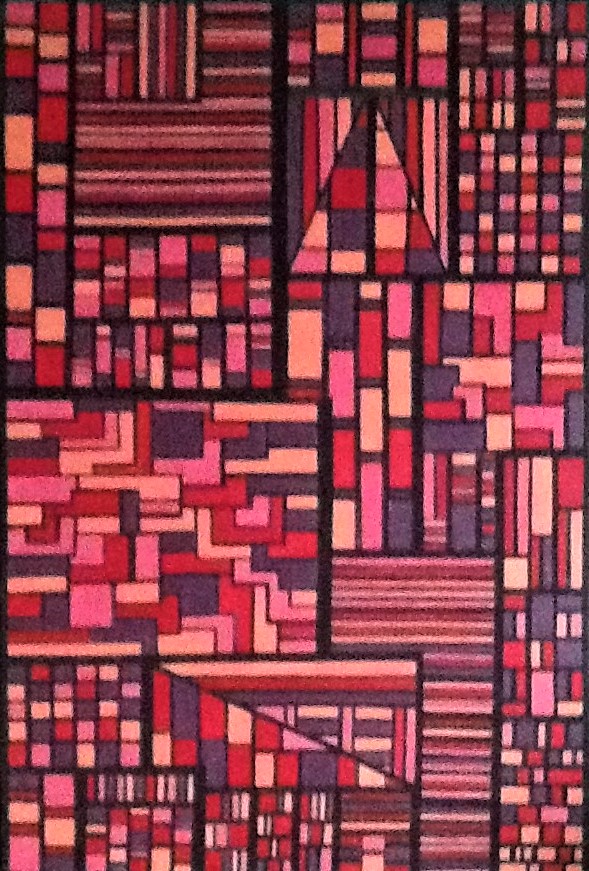
Grids represent the structure of civilisation. They do not exist in nature, nor in the natural aspects of humanity, which are primitive and unregulated. Elements in Nature have a cyclical happening and curves or spirals in their shaping. They flow with the randomness of chaos or the pattern of interlocking verisimilitude, reflecting complementary difference and contrast but interdependence and symmetry.
Grids dissect Nature. They represent space and objects divided with lines of separation, causing rift and isolation in the spaces between. They maintain the balance through the rigid partitioning of the squares into axes and poles, representing binary opposites of high and low, left and right, good and bad. Lines of measurement lead to linear thinking, which is rational, straight and analytic. It does not allow for leakage or rumination or dissent. Grids contain but restrain, governed by geometric laws and historic rules, reducing the contents of the shape between the lines to classification, segregation and control.
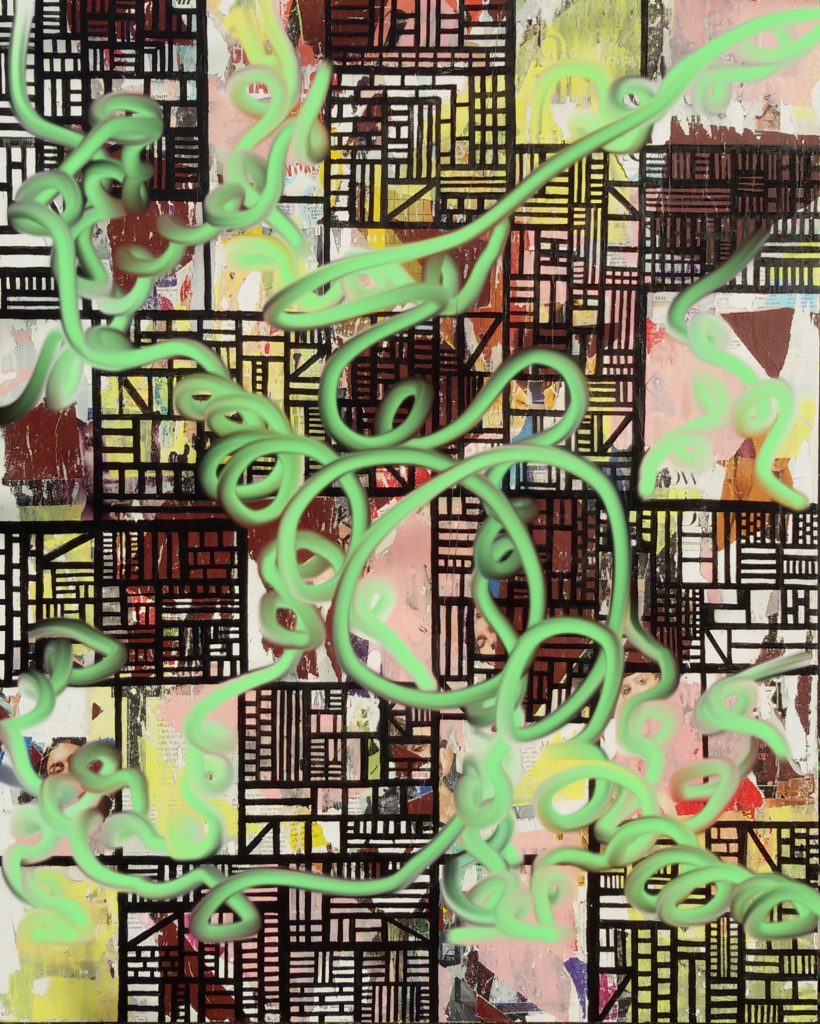
Grids are an imposition of culture. They govern the layout of our towns, the dimensions of our buildings, the structure of our language as we follow the words on the page and the nature of thought. They bind us by forging the lines that cross at the angles but they determine the categories in which we are thrust. All is one thing or the other, black or white, weak or strong, rich or poor. They forbid change and amalgamation and they are the root, the grounding and the framework for hierarchies.
Grids are symbolic of the modernist tradition.
“Flattened, geometricized, ordered, it is antinatural, antimimetic, antireal. It is what art looks like when it turns its back on nature.” (Rosalind Krauss, 1979)
Perspective was a way reality could be mapped onto a surface, whereas grids are purely abstract and map only the lateral spread of a single surface, “a staircase to the Universal”, concerning “Being or Mind or Spirit”.
On one level, grids symbolise the mathematical properties of space, but at a cultural level, they represent the myth of Cartesian dualism that separated the properties of body and mind into material and immaterial substances, breaking with the religious, but upholding a belief in the secular power of the mind as opposed to the body. Anything that was not pure, ideal thought was disdained and rejected as organic and base and of course these categories were then extended to conceptions of gender and race.
Distorting the grid
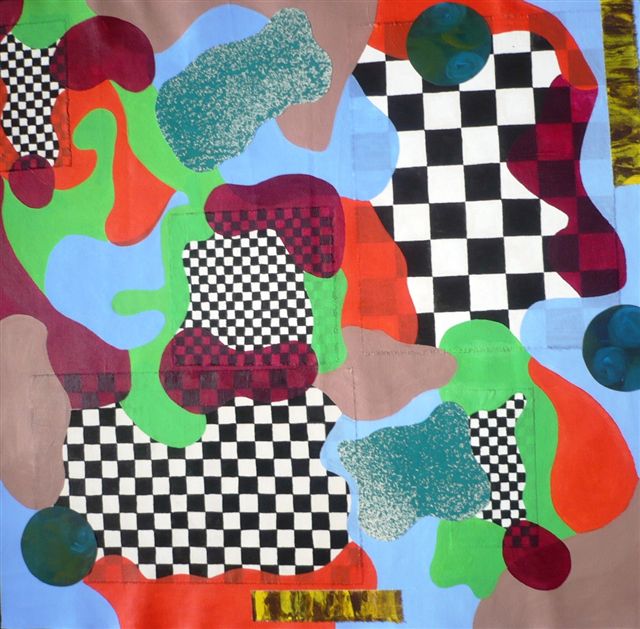
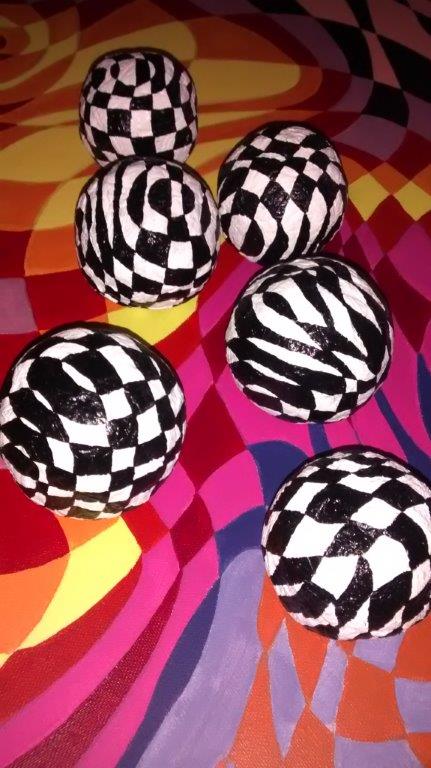
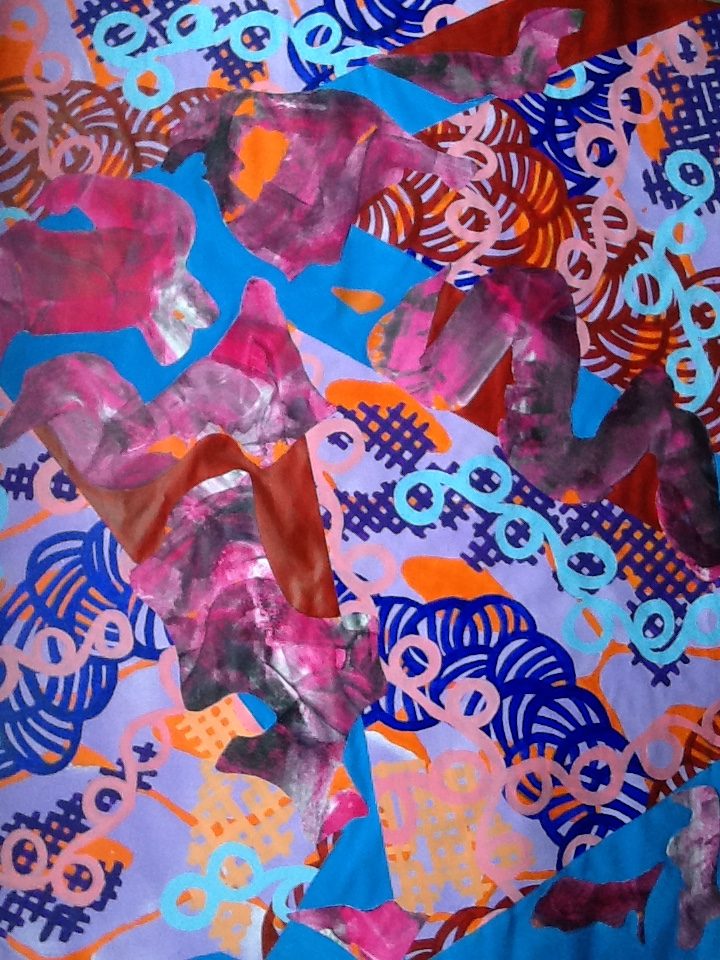
The grid can be disturbed in several ways. It can be smudged or consumed by other elements, escape from the frame. The lines can deviate from their straightness by bending and curving, which in turn changes the space between them to be liberated, more amorphous and less regimented. The lines can be drawn on a surface which is not flat, which stretches the grid out of shape. The lines can be broken in places, which allows seeping and growth. In this way, the restrictive pattern of reason becomes the play of imagination. We can be in tune with the body and natural processes, ‘think outside the box’ and escape the power of outside forces which seek to contain us as this or that.